Radon Testing in Columbus and How to Read the Result
Radon testing is the only way to know what is in a house; a neighbor's number tells you little about yours. Ohio has its own testing protocol, and following it is what makes a result worth acting on.
EPA says to fix a home at 4 pCi/L or higher and to consider fixing between 2 and 4; the average U.S. home sits near 1.3 pCi/L. Under Ohio's protocol a test runs at least 48 hours in a closed house. Fixr (2025) lists do-it-yourself charcoal kits at $20–$150.
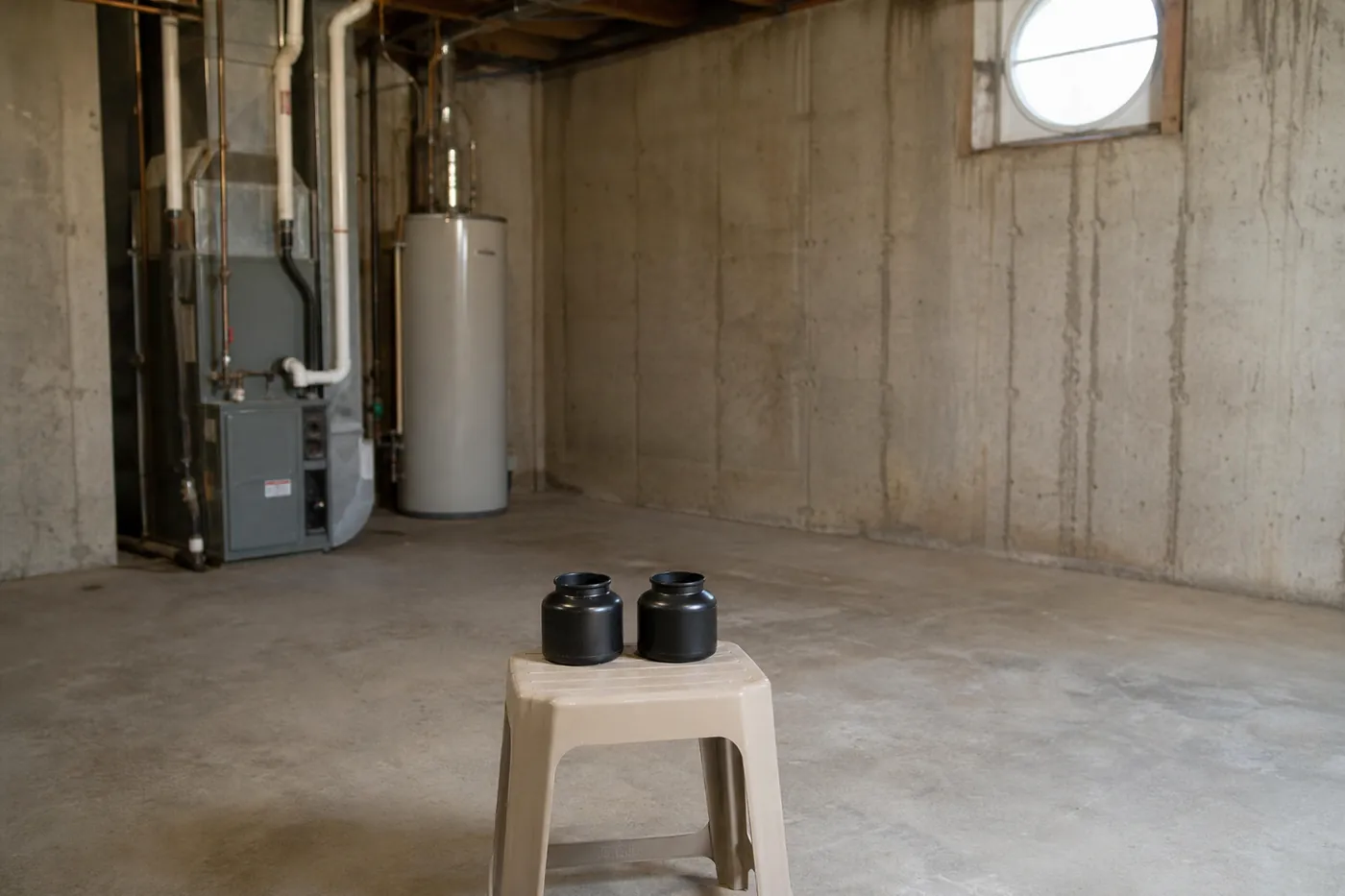
Radon testing in Columbus: short-term or long-term?
Short-term tests stay in place from 2 to 90 days; long-term tests stay more than 90 days and give a better picture of the year-round average (EPA). Radon rises and falls by the hour and the season, so EPA's steps are: start with a short-term test, and if it reads 4 pCi/L or more, follow up with a long-term test or a second short-term test. Fix the house if the long-term result, or the average of the two short-term results, is 4 or higher. If the first result is more than twice the action level, EPA says take the second short-term test right away.
How do you run a valid radon test in Ohio?
- Close windows and outside doors 12 hours before and during the test, apart from normal coming and going, and run the heating or cooling as usual (ODH).
- Test in the lowest level that could be lived in, whether or not anyone uses it now.
- Place the kit at least 20 inches above the floor, 12 inches from outside walls, 3 feet from windows and doors, 10 feet from a sump pit and 4 feet from the furnace, out of drafts and sunlight.
- Skip kitchens, bathrooms and laundry rooms. Leave fans off, but leave any existing radon system running.
- Run it at least 48 hours, then send it to the lab at once.
What do radon test numbers mean?
- Below 2 pCi/L: EPA says most homes can be brought down to about this level, so a system would add little. Retest every two years.
- 2 to 4 pCi/L: EPA's consider-fixing range, and ODH notes any radon level carries some risk. A long-term test helps decide.
- 4 pCi/L or more, confirmed: EPA and ODH both recommend a mitigation system.
- Above 8 pCi/L on a first test: confirm quickly with a second short test rather than waiting months for a long one.
For a step-by-step decision, see do I need radon mitigation, and compare system prices in the Columbus radon mitigation cost guide.
Do-it-yourself kit or licensed tester?
You may test your own home in Ohio without a license (ORC 3723.02), and ODH says free radon test kits are available to Ohio homeowners. Testing someone else's building takes an ODH radon tester or mitigation specialist license. For a house sale, ODH recommends an Ohio licensed tester, often with a continuous monitor that logs readings through the test; Fixr (2025) puts continuous monitor tests at $125–$300 and professional inspections at $100–$400.
Questions homeowners ask
What if my two radon tests disagree?
Expect some spread, since radon changes with weather and season. EPA's rule is to average two short-term tests and fix the house if the average is 4 pCi/L or higher. If one result is far off, check for an open window, a moved kit or a run under 48 hours. A long-term test of more than 90 days settles a close call.
Tell us where things stand
Share what you know so far: a test result, a closing date, or just the kind of foundation the house sits on. One independent radon mitigation specialist who works around Columbus gets back to you about next steps.