Do I Need Radon Mitigation? Start From Your Situation
Radon leaves no smell, stain or symptom to notice, so nobody searches for it the way they search for a wet basement. People arrive with a situation instead: a test report, a home sale, a finished basement. Find yours below; each answer comes first.
You need radon mitigation if a confirmed test averages 4 pCi/L or more, EPA's action level, and you should consider it between 2 and 4. Without a test there is no way to tell: radon gives no warning signs, and CDC says testing is the only way to know. In Zone 1 Franklin County, test every home.
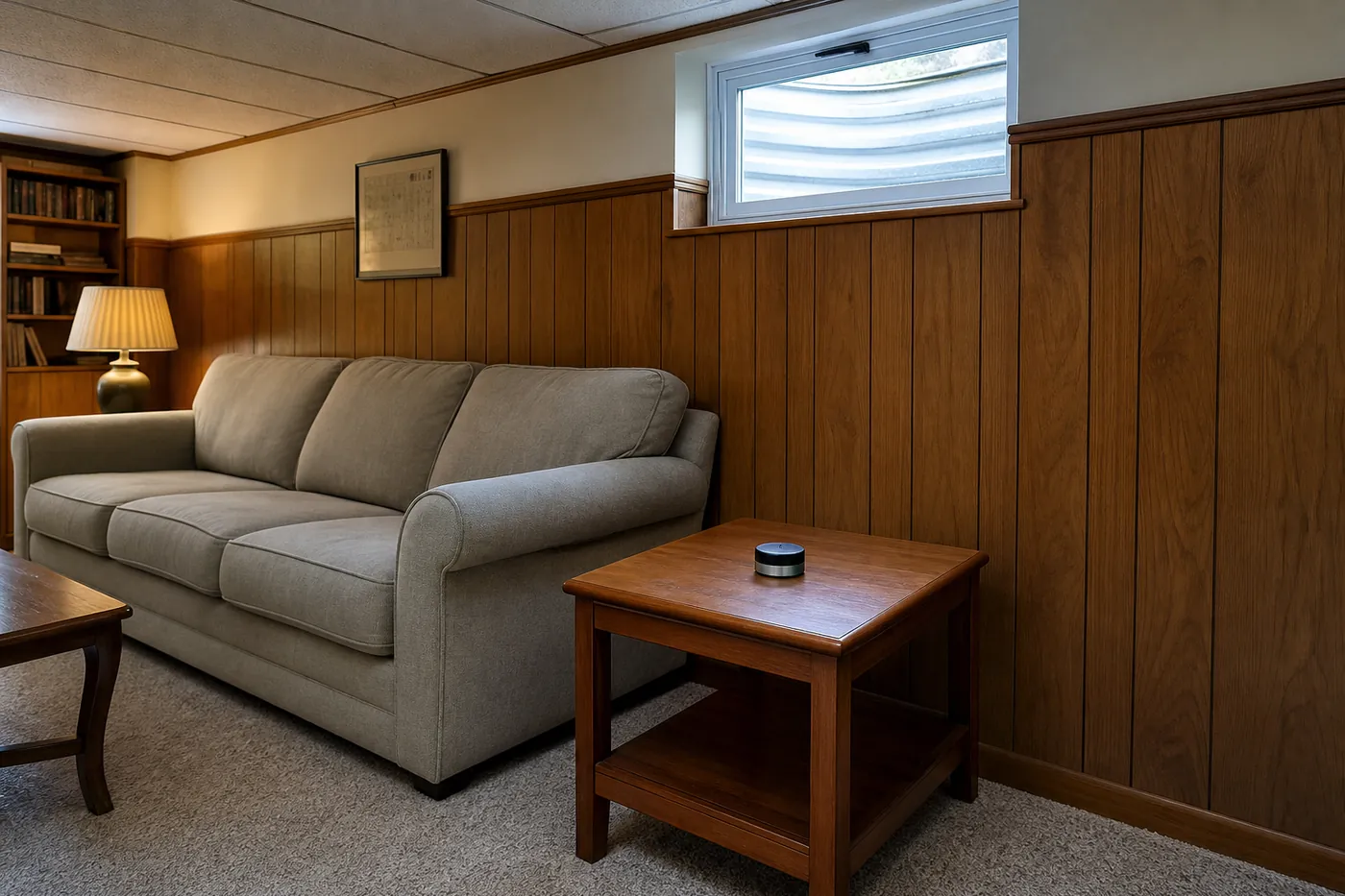
I have never tested. Do I need a system?
Not yet: you need a test first. Nothing you can see or smell shows whether radon is high, and Franklin County's Zone 1 rating describes the area, not your house. Start with a short-term test in the lowest livable level, under Ohio's 48-hour closed-house protocol. See radon testing and what your number means.
My test came back between 2 and 4 pCi/L.
That is EPA's consider-fixing range, not a must-fix. EPA says most homes can be brought to 2 pCi/L or below, and ODH notes that any radon level carries some risk. A long-term test of more than 90 days shows whether your year-round average sits nearer 2 or 4, which makes the choice easier.
My test came back at 4 pCi/L or higher.
Confirm it, then fix it. EPA's steps call for a second short-term test or a long-term test; if the average of two short tests, or the long-term result, is 4 or more, install a system. When a first result is above 8, take the second short test immediately. Then read how a sub-slab system works.
We are selling or buying a house.
Test now, on the sale timeline. EPA accepts paired passive tests or a continuous monitor, each run for at least 48 hours, and says to fix the home at an average of 4 or more. ODH recommends an Ohio licensed tester for sales. The details, including the Ohio disclosure form, are on radon when buying or selling.
We just finished the basement or replaced the windows.
Retest. ODH lists new windows, insulation, a roof, exterior doors and a new furnace or air conditioner as reasons an earlier result no longer counts, and EPA advises testing before and after finishing a basement. EPA also notes a system is generally cheaper to install before or during a renovation than afterward.
Our house is new. Was it built radon-resistant?
Ask the builder, and test either way. Radon-resistant construction, as ODH describes it, means gravel and plastic under the slab, a vent pipe up through the roof, sealed openings and an attic outlet for a fan. Those features help, but only a test shows the result, and ODH says a fan can easily be added to the pipe if the number is high.
The gauge on our radon pipe reads level.
The fan has probably stopped. Ohio requires a monitor on every fan system, and a U-tube manometer whose two liquid columns sit level is showing no suction. Check the breaker and the outdoor disconnect switch first. EPA says fans may last five years or more and must run continuously, so a silent fan needs attention, then a retest.
Nobody in the house smokes. Does radon still matter?
Yes. The Ohio Department of Health calls elevated indoor radon the primary cause of lung cancer among non-smokers, and EPA ranks radon as the second leading cause of lung cancer overall. Smoking raises the risk further, but a confirmed result of 4 pCi/L or more is the reason to act, smoker or not.
Tell us where things stand
Share what you know so far: a test result, a closing date, or just the kind of foundation the house sits on. One independent radon mitigation specialist who works around Columbus gets back to you about next steps.