Columbus & Franklin County, Ohio
Radon Mitigation in Columbus, Where the Whole County Is Zone 1
Radon mitigation in Columbus usually starts with a number on a test report and a question about what to do with it. This site explains that number, how a system pulls radon from under a basement, slab or crawl space, what Ohio law expects from the people who install one, and what the work tends to cost.
Franklin County is in EPA Radon Zone 1, where the predicted indoor average tops 4 pCi/L, the level at which EPA says to fix a home. Thumbtack (2026) puts a typical radon mitigation system at $748–$1,529, with most people paying about $1,071.
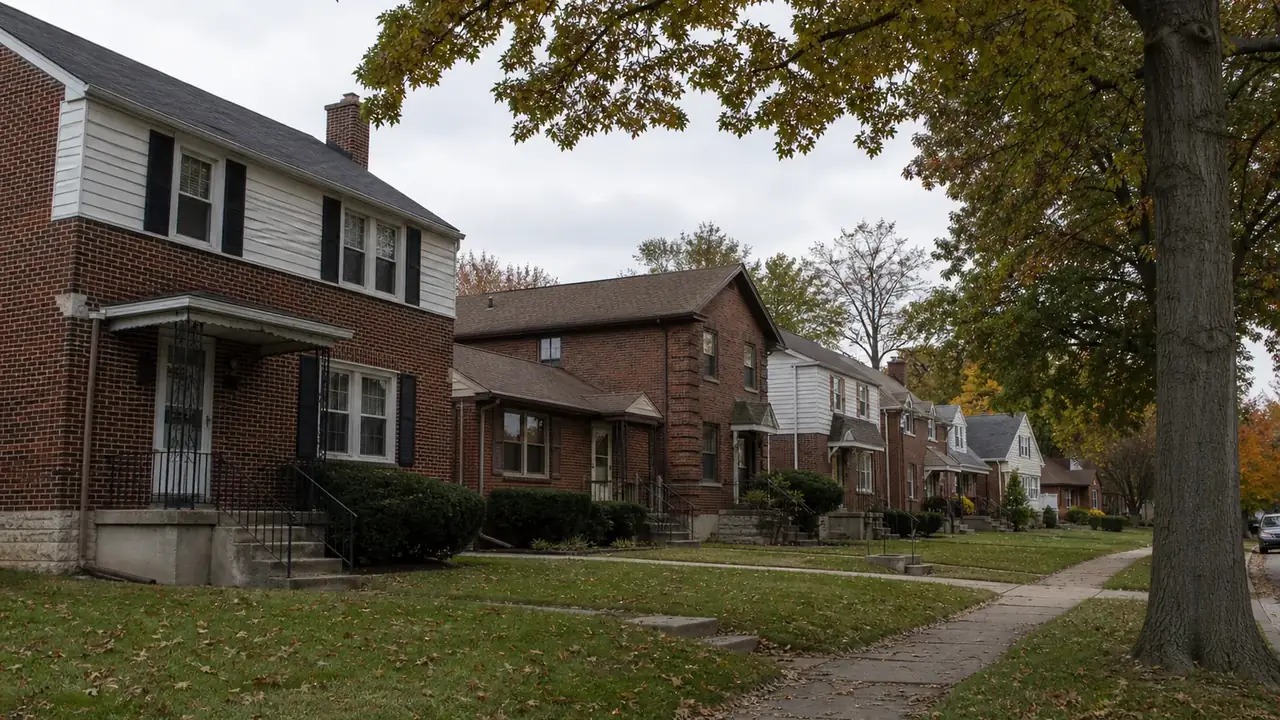
Why does radon run high under Columbus homes?
Radon is a gas given off as uranium in soil and rock breaks down, and it seeps into houses through cracks and openings in the foundation (Ohio Department of Health). On EPA's map of radon zones, Franklin County and all six counties around it, Delaware, Licking, Fairfield, Pickaway, Madison and Union, are Zone 1: the group with a predicted average indoor screening level above 4 pCi/L. EPA adds that the map cannot speak for any single house, so every home should be tested.
The ground explains much of it. A 1993 Ohio Geological Survey study of 50,626 indoor readings tied most Ohio results above 4 pCi/L to the glacial till of the central and western parts of the state, probably because glaciers ground up the uranium-rich Ohio Shale and spread it through that till. Its 10,020 Franklin County readings had a median of 7.0 pCi/L. Those are old screening numbers from different rooms and seasons, not today's levels, but the state still sees the pattern: about half of the Ohio homes tested each year come back elevated (ODH).
What does radon mitigation in Columbus involve?
- A confirmed number. One short-term test is a start; EPA suggests a second test before fixing. See radon testing and what your number means.
- A system matched to the foundation. Under a basement or slab floor, sub-slab depressurization is the usual fix; see how a sub-slab system works. A dirt crawl space gets a sealed plastic membrane first: crawl space radon mitigation.
- A test after the work. Ohio's standards put the follow-up test no sooner than 24 hours and no later than 30 days after the fan starts.
- Sometimes, a deadline. Many jobs begin with a home sale; see radon when buying or selling.
Ohio is a basement state: 58% of its homes have one, against 30% nationwide (U.S. Energy Information Administration, 2024). That matters, because EPA calls suction under a basement or slab floor the most common and usually the most reliable way to lower radon.
Pages for each part of the job
- How a sub-slab radon system worksSuction point, pipe, fan and exhaust under Ohio's mitigation standards, for basements and slab floors.
- Radon mitigation for crawl spacesSub-membrane suction, the plastic Ohio requires, sealing at piers and walls, and mixed foundations.
- Radon testing and what your number meansShort and long tests, Ohio's 48-hour protocol, where the kit goes, and how to read 2, 4 or 10 pCi/L.
- Radon when buying or selling a homeThe Ohio disclosure form, sale-time test options, interference, and who fixes a high result.
- Columbus radon mitigation cost guideNamed national ranges for each system type, testing, fans and running costs, with the year of each guide.
Start with the local picture
- Why Franklin County radon runs highEPA Zone 1, the glacial till and Ohio Shale behind it, and 10,020 local readings from a state study.
- Do I need radon mitigation? Eight common situationsRadon has no symptoms, so the answer comes from your test and your plans. Each case answered first.
Who is allowed to test and fix radon in Ohio?
Ohio licenses radon work through the Ohio Department of Health. Under Ohio Revised Code 3723.02, nobody may test another person's building for radon without a radon tester or mitigation specialist license, and no company may install a mitigation system without a radon mitigation contractor license; the work must be supervised on site by a licensed mitigation specialist (3723.05). Owners may test or mitigate their own home. ODH points homeowners to its Radon Licensure map on the state data portal to find licensed testers and contractors, and suggests getting more than one estimate and asking for references.
Ohio also guards against one conflict of interest. If the company that tested your house wants to fix it, the mitigation contract must say so in writing and explain the value of long-term testing and a second opinion (ORC 3723.05).
What happens after the system is installed?
A fan-driven system runs around the clock, and Ohio's mitigation standards require a monitor, usually a U-tube manometer marked with the pressure it showed at start-up, so you can see at a glance that the fan is still pulling. The follow-up radon test is done by the installer or by an independent licensed tester; EPA suggests an independent check to rule out any conflict of interest. After that, ODH recommends testing at least every two years, and again after changes such as new windows, insulation, a roof or a finished basement.
Who answers a request sent from this page?
Columbus OH Radon is an independent local resource. It does not test homes, sell kits or install systems. Each request from the form is passed to a single independent radon mitigation specialist working in the Columbus area, who reaches out with questions about the house and the test. That specialist pays this site for the referral. Before you agree to anything, ask for the Ohio license numbers of the specialist and the contractor, which Ohio requires on every written mitigation proposal.
Questions homeowners ask
Does radon cause symptoms I would notice?
No. Radon has no color, smell or taste, and it gives no warning signs in a house. CDC says the only way to know whether your home has unsafe levels is to test. The concern is long-term exposure: EPA estimates radon causes about 21,000 lung cancer deaths a year in the United States, second only to smoking.
Will sealing basement cracks fix a radon problem?
Not on its own. Both EPA and the Ohio Department of Health advise against sealing alone, because a settling house opens new cracks and it is hard to find every entry point. Sealing is still part of a good job: Ohio's mitigation standards require the floor-wall joint and other openings to be sealed alongside the fan system.
Where can I get a radon test kit in Ohio?
Hardware stores and labs sell short-term kits, and Fixr's 2025 guide lists charcoal canister kits at $20–$150. The Ohio Department of Health also says free radon test kits are available to Ohio homeowners through its radon program. For a home sale, ODH recommends hiring an Ohio licensed radon tester instead of using a kit yourself.
Does a house without a basement need a radon test?
Yes. ODH says any home can have elevated radon, with or without a basement and whether it is old or new, and it recommends testing every occupied ground-contact building in Ohio. Slab and crawl space houses draw in soil gas too. The fix differs, but the test is the same: closed house, lowest livable level, at least 48 hours.
Tell us where things stand
Share what you know so far: a test result, a closing date, or just the kind of foundation the house sits on. One independent radon mitigation specialist who works around Columbus gets back to you about next steps.